
Missed Calls
Customers may contact another provider when the business does not answer quickly.
→
KeenPlex helps field service organizations respond to customers faster, improve scheduling and dispatch coordination, reduce repetitive administrative work, and make better use of technicians, service bays, estimators, and operating capacity.
You may invest heavily in marketing, people, vehicles, equipment, and service capacity. When calls go unanswered, inquiries receive slow responses, or customer information is incomplete, qualified demand may never become scheduled work.


Customers may contact another provider when the business does not answer quickly.
An inquiry may lose urgency or move to a competitor while waiting for a return call.
Employees may spend more time gathering information that could have been collected during the first interaction.
The opportunity may stall when availability, location, service type, and customer information are not coordinated.
Voicemail, shared inboxes, paper notes, spreadsheets, manual scheduling, repetitive entry, and employee memory often carry the workflow.

Field service businesses share challenges around response, scheduling, and capacity, but each industry protects a different executive outcome.
Increase bay utilization across every location.
Standardize customer response and follow up while improving visibility into service opportunities, declined work, and bay utilization.
Explore Auto Repair →Capture more service demand and improve technician utilization.
Handle seasonal spikes and after hours inquiries while improving qualification, scheduling, dispatch, estimates, and maintenance plan follow up.
Explore HVAC Contractors →Improve emergency response.
Respond faster to urgent requests while collecting the information needed to route and schedule each opportunity appropriately.
Explore Plumbing Contractors →Improve response speed and lead conversion.
Qualify more inquiries during storm demand while improving inspection scheduling, proposal delivery, and consistent follow up.
Explore Roofing Contractors →Routine interactions can be handled consistently while urgent, sensitive, complex, or unusual situations are directed to the appropriate employee.
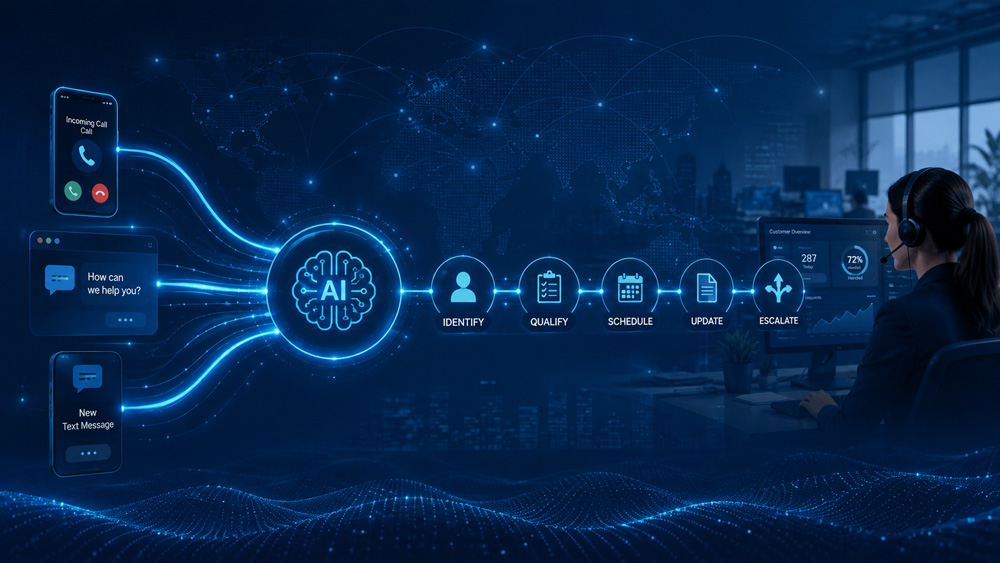
A connected follow up path creates clearer responsibility, reduces dependence on employee memory, and makes open opportunities easier to see.

Technician completes the inspection or diagnosis and documents findings.

Estimate is created with recommended solutions and pricing.

The estimate is delivered through the customer’s preferred communication channel.

Automated reminders keep the estimate visible and the conversation moving.

The customer response is recorded with notes, decisions, and ownership.

Next steps are scheduled so open opportunities keep moving forward.
Different call handling practices
Different scheduling processes
Inconsistent customer messages
Limited location reporting
Uneven follow up
Shared communication standards
Consistent qualification
Location based routing
Central reporting
Clear escalation paths
Leadership gains the ability to compare response, workflow, and demand patterns across locations using more consistent information.
KeenPlex examines how customer communication, employees, scheduling, dispatch, systems, follow-up, and technology work together before recommending a solution.

Clarify the outcome leadership owns.

Find where demand or workflow breaks down.

Evaluate the effect on work, people, and capacity.

Connect communication, automation, systems, and reporting.

Track appropriate indicators when evidence is available.
Each solution begins with an operating problem and connects technology to a clearer business outcome.
Improve initial response, information collection, qualification, scheduling, system updates, and escalation.
Explore AI Employees →Automate reminders, notifications, follow up, routing, updates, approvals, and repetitive communication.
Explore Workflow Automation →Improve the reliability of devices, networks, cloud systems, business applications, and employee support.
Improve service messaging, local conversion paths, lead capture, analytics, and connection to customer workflows.
Reduce the risk that compromised accounts, unavailable systems, failed devices, or interruptions prevent employees from serving customers.
The Revenue Capture Assessment examines how incoming demand is answered, qualified, scheduled, routed, followed up, and converted into booked work.
Request a Revenue Capture Assessment
Contact channels, response, qualification, scheduling, dispatch handoffs, estimate follow up, capacity, systems, and available evidence.
Executive findings, identified workflow gaps, evidence based priorities, a conservative opportunity hypothesis where data allows, and a prioritized action plan.
For repetitive processes, manual handoffs, duplicate entry, and approval delays.

For websites that are not generating, qualifying, or routing enough relevant service opportunities.

For organizations that could not schedule, dispatch, communicate, or serve customers during a serious interruption.
For organizations that need to understand where identity, email, endpoints, systems, or access risk could interrupt operations.
The right operating model can help reduce response gaps, improve scheduling consistency, support better use of available capacity, and make it easier to see where opportunities stall.
This example shows how KeenPlex evaluates a common field services condition. It is not presented as a customer result.
Executive priorityCapture more demand and improve technician utilization
Operating problemSeasonal call volume exceeds immediate office capacity
Current approachVoicemail, manual call backs, and employee managed follow up
Improvement opportunityConsistent contact capture, qualification, scheduling, escalation, and operating visibility

A practical look at response gaps, seasonal demand, and booked work.
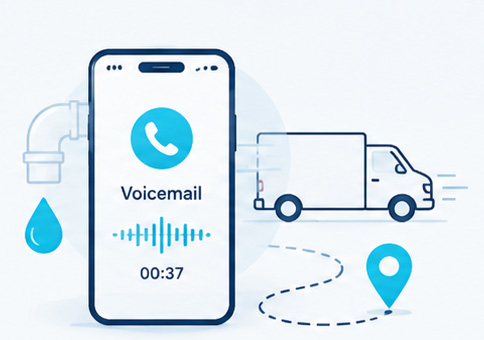
Why urgency, routing, and complete information matter before dispatch.
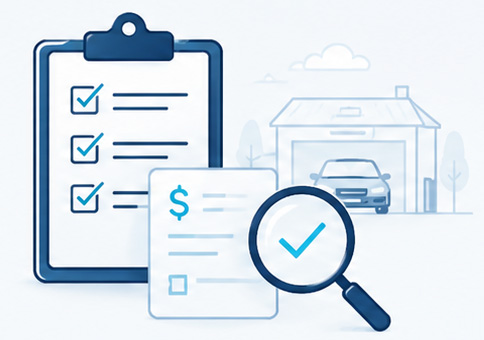
A framework for clearer responsibility and visibility across locations.
Direct answers for owners, operations leaders, service managers, and dispatchers.
Start by reviewing every contact channel, the response process, after hours coverage, qualification steps, and handoffs. KeenPlex can then connect communication, automation, and escalation around the current operation.
Yes, when the approved workflow and integrations support it. An AI Employee may answer routine questions, collect information, identify urgency, schedule available appointments, and escalate situations that require an employee.
The workflow defines which situations require immediate employee judgment. Urgent, sensitive, complex, or unusual requests can be routed to the appropriate person with the information already collected.
Often, yes. The available scheduling platform, permissions, data, and integration options are reviewed before KeenPlex recommends the right connection.
It can be designed around location based routing, shared communication standards, consistent qualification, defined escalation paths, and central reporting where the connected systems support them.
Create a visible sequence with clear responsibility, scheduled reminders, customer communication, approval or decline tracking, and future follow up for open recommendations.
Not automatically. KeenPlex first evaluates the current platform and workflow, then recommends whether to integrate, improve, supplement, or replace technology based on the operating need.
The review may include contact channels, response, qualification, scheduling, dispatch handoffs, estimate follow up, capacity utilization, current systems, integrations, and available operating evidence.
Timing depends on workflow complexity, integrations, locations, data readiness, and approval requirements. The assessment defines scope and a practical implementation plan before work begins.
Select your industry to explore the operating issues most relevant to your business, or begin with a Revenue Capture Assessment to identify where response, qualification, scheduling, dispatch, or follow up may be limiting growth.